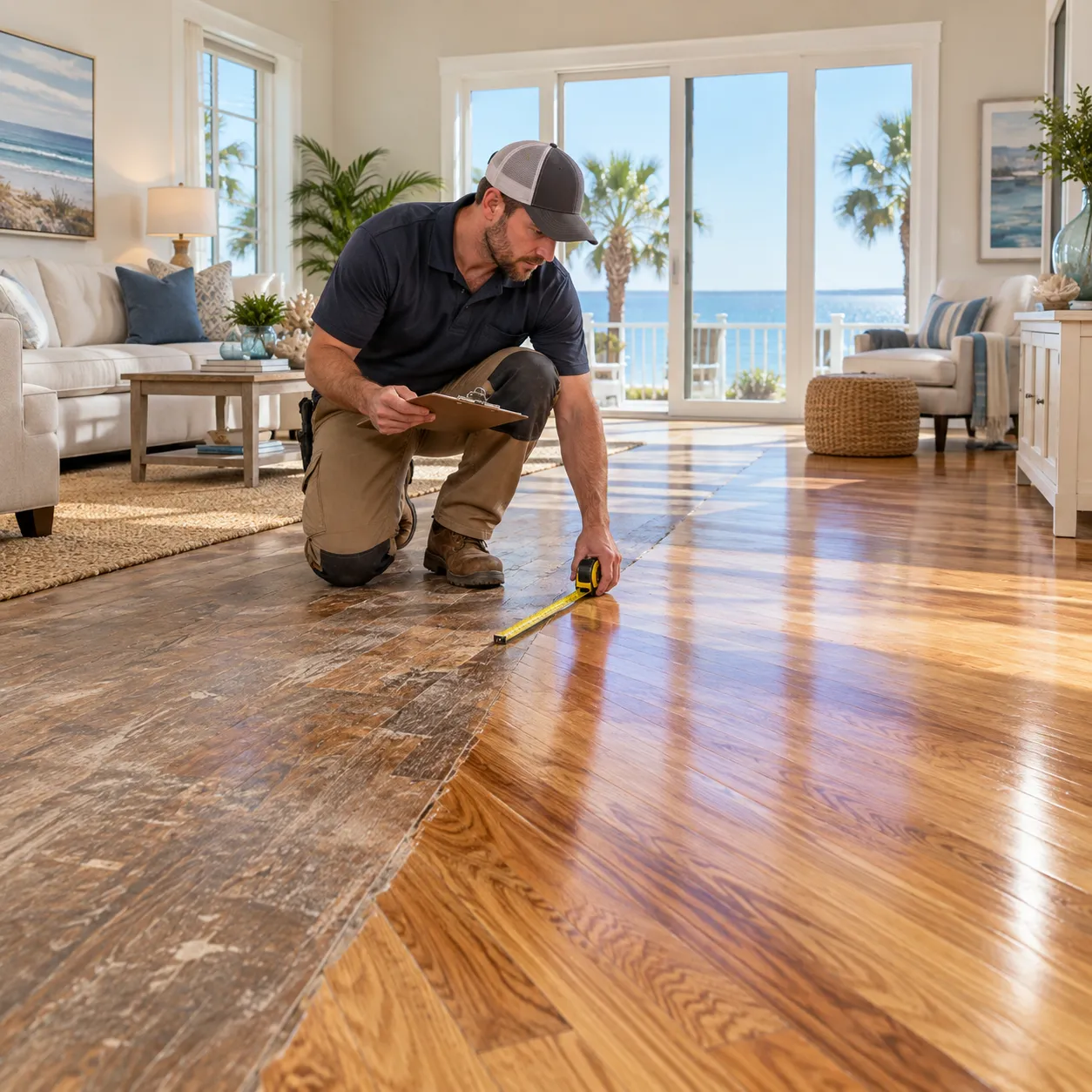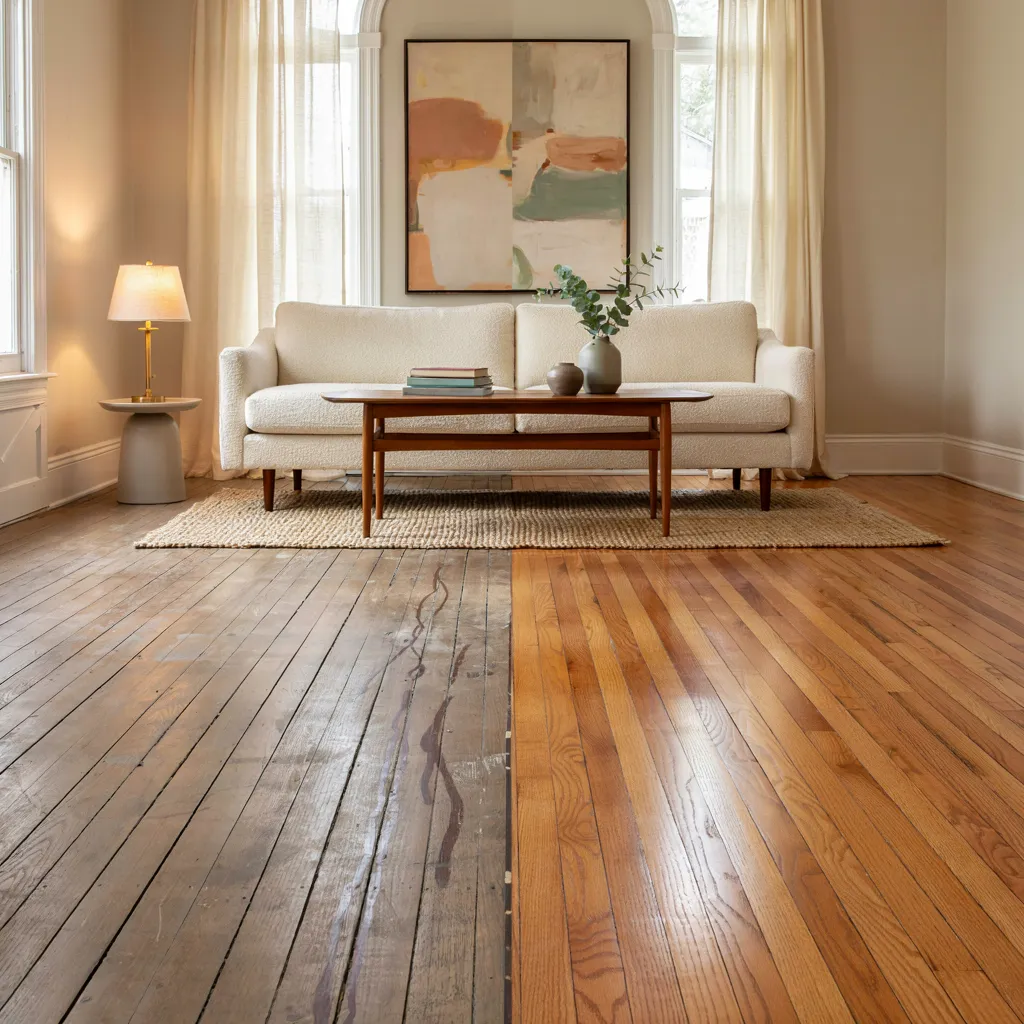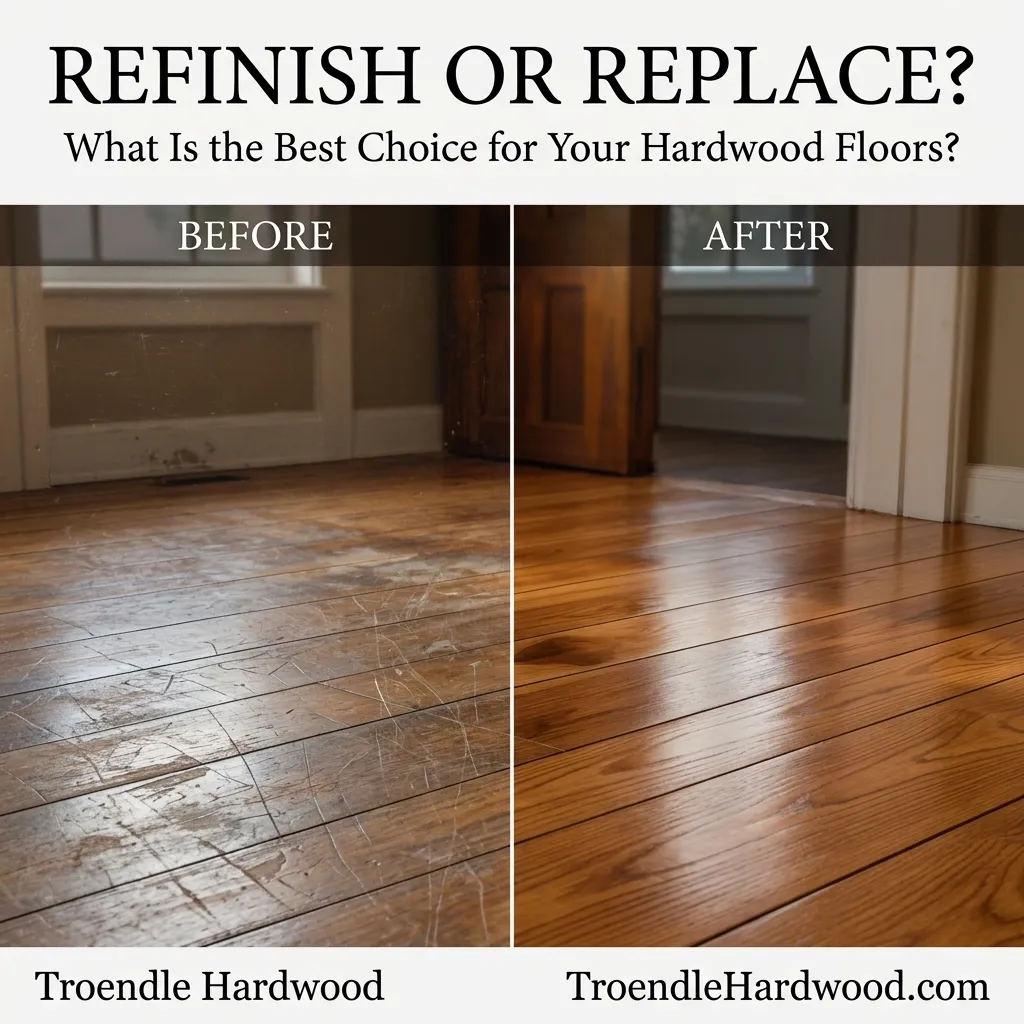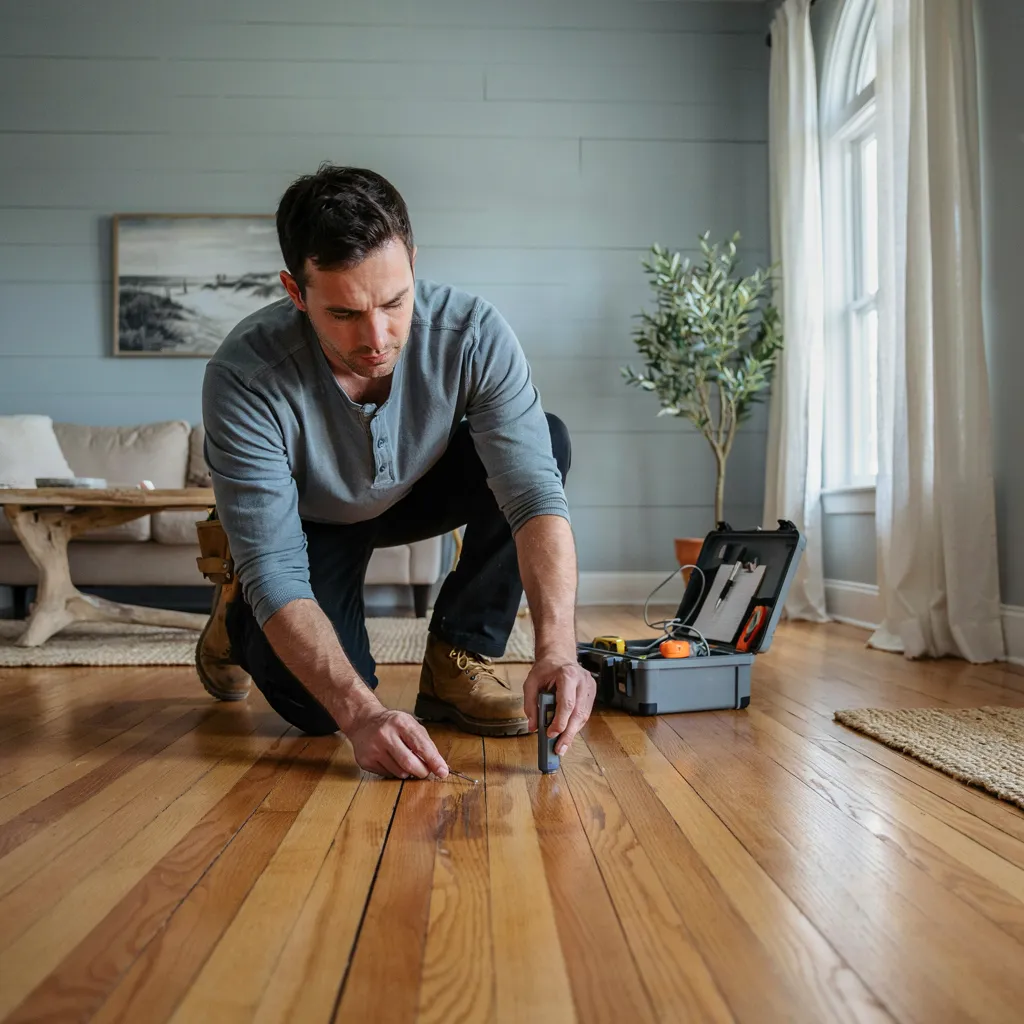
Water-damaged hardwood floors can often be saved when the moisture source is stopped quickly and the damage is limited. Depending on the flooring and its condition, restoration may involve professional drying, replacing individual boards, sanding, stain matching and refinishing. Floors with severe buckling, delamination, contamination or structural damage may require partial or complete replacement.
The only reliable way to know is to allow the affected materials to dry properly and have the floor professionally evaluated.
For Pensacola homeowners, water damage can come from many directions. Hurricanes, wind-driven rain and tropical storms may be the first problems that come to mind, but everyday incidents are also common. A leaking refrigerator, dishwasher, water heater, air-conditioning system, plumbing fixture or roof can damage wood flooring before the problem is discovered.
The good news is that a wet hardwood floor is not automatically a ruined hardwood floor.
What Should You Do After Water Reaches a Hardwood Floor?
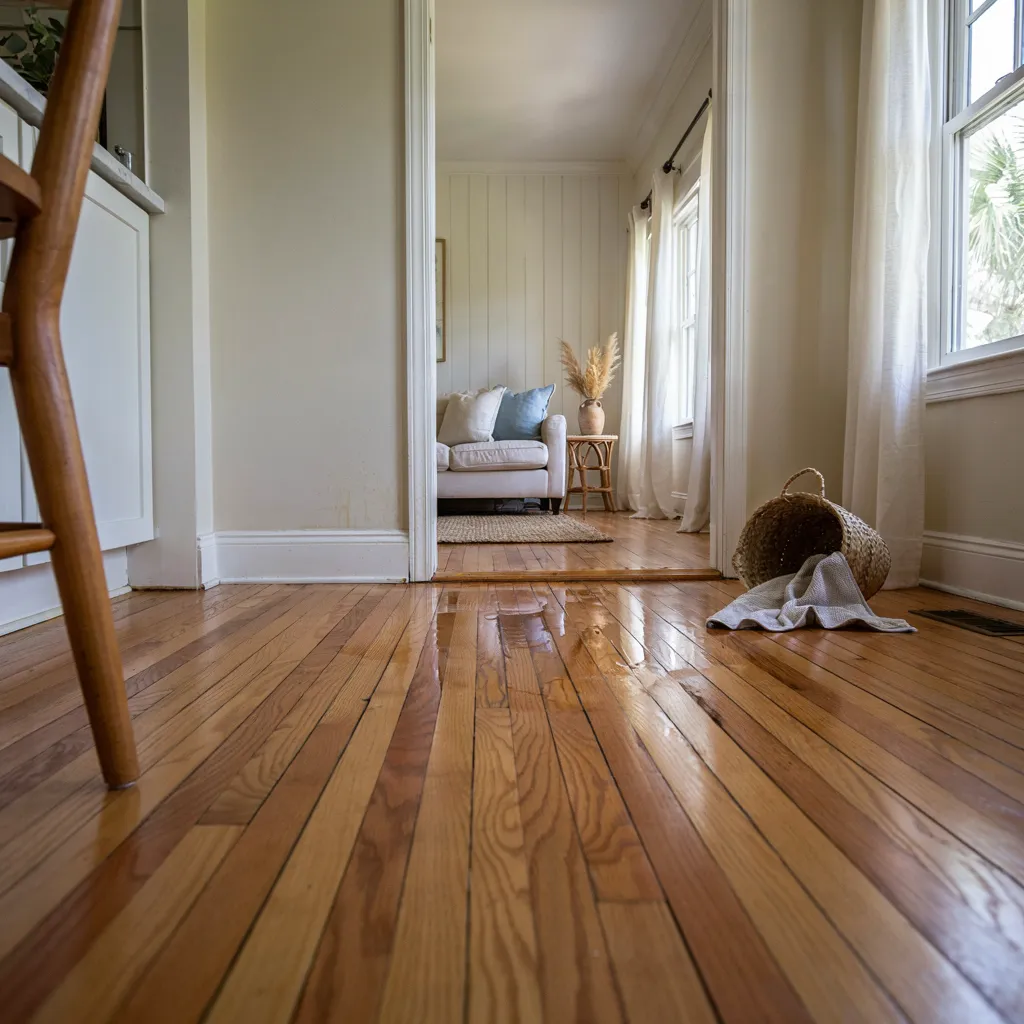
Quick action can improve the possibility of saving the floor. However, personal safety should always come first.
If you discover water on or beneath your hardwood flooring:
- Stop the water source if it is safe to do so.
- Avoid areas where water may have contacted electrical systems.
- Remove standing water as quickly as practical.
- Contact a qualified water-remediation company when significant drying or water extraction is required.
- Photograph the floor and surrounding damage for your records.
- Contact your insurance company if you may be filing a claim.
- Arrange for the floor to be evaluated after the immediate water problem is under control.
Do not use a household heater or other aggressive drying method that could cause the flooring to dry too quickly or unevenly. It is also important not to sand a wet or recently damaged floor prematurely.
Wood can continue changing as its moisture level returns to normal. A floor that appears badly cupped immediately after a leak may look different after appropriate drying. Sanding too soon can create permanent problems if the boards continue to change shape.
What Are the Signs of Hardwood Floor Water Damage?
Some signs appear immediately, while others develop over several days or weeks.
Watch for:
- Raised board edges
- Curved or uneven boards
- Buckling or lifting from the subfloor
- Dark stains or discoloration
- Peeling or cloudy finish
- New gaps between boards
- Loose or moving planks
- Squeaking that was not previously present
- Soft areas in the flooring or subfloor
- Persistent damp or musty odors
A small surface spill that is cleaned promptly is very different from water that has traveled between the boards or reached the subfloor. Damage beneath the visible surface can be more extensive than it initially appears.
What Is Hardwood Floor Cupping?
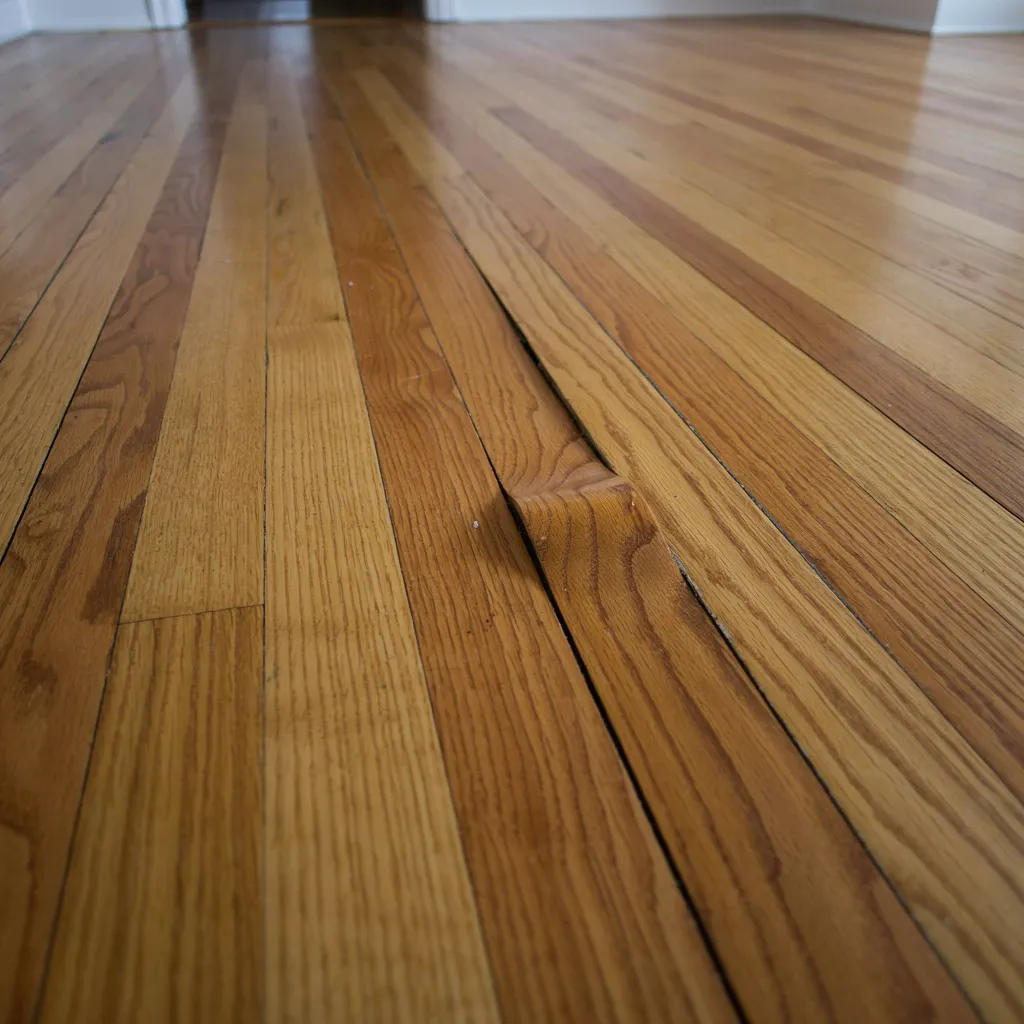
Cupping occurs when the edges of a floorboard rise higher than its center. This generally happens when the underside of the board contains more moisture than its top surface.
The National Wood Flooring Association explains that wood naturally reacts to its environment. It can gain moisture and swell in humid conditions and lose moisture and shrink in dry conditions. Excess moisture can cause floorboards to cup. National Wood Flooring Association
Cupping does not always mean the entire floor must be replaced. Minor cupping may improve after the moisture source is corrected and the wood dries. Persistent or severe cupping may require professional repair, sanding or replacement.
What Is Crowning?
Crowning is the opposite of cupping. The middle of a board is higher than its edges.
It can occur when the top of the flooring contains more moisture than the bottom. Crowning may also develop when a cupped floor is sanded before it has dried and stabilized. Once the boards return to a more normal moisture level, the previously sanded centers can remain higher.
This is one reason patience and professional evaluation are so important. A floor should not be sanded merely because the surface appears uneven after water exposure.
What Is Buckling?
Buckling is a more serious condition in which boards lift noticeably away from the subfloor. In severe cases, the flooring may form raised areas or separate from its fasteners or adhesive.
A small buckled section may sometimes be repaired by replacing the affected boards and correcting the underlying moisture problem. Widespread buckling may indicate more extensive damage to the flooring, fasteners or subfloor.
The water source must be identified and corrected before cosmetic repairs begin. Otherwise, the problem may return.
Can Cupped Hardwood Floors Flatten Again?
Some cupped floors can become flatter as they dry, especially when the water exposure was brief and the boards remain structurally sound. The outcome depends on factors such as:
- How much water reached the floor
- How long the flooring remained wet
- Whether moisture reached the subfloor
- The wood species
- Board width and thickness
- The flooring’s installation method
- Indoor temperature and humidity
- Whether the floor has experienced previous damage
Drying does not happen instantly. Even when the surface feels dry, moisture may remain within the boards or subfloor.
Before sanding, refinishing or replacing the floor, a flooring professional should determine whether the materials have stabilized sufficiently for the proposed work.
Can Individual Water-Damaged Boards Be Replaced?
Yes. When water damage is confined to a limited area, it may be possible to remove and replace individual boards instead of replacing the entire floor.
Localized board replacement may be appropriate when:
- A refrigerator or dishwasher leaked
- A plumbing problem affected one room
- Several boards are deeply stained
- A small section has buckled
- Most of the surrounding floor remains sound
- Compatible replacement wood is available
The challenge is creating a repair that blends with the existing floor. The new boards must be compatible in species, dimensions, grade and appearance. They may also require careful staining and finishing to coordinate with older flooring.
Troendle Hardwood can match many types of solid hardwood, including Antique Heart Pine. The company also reports that many engineered floors can be saved and restored. Troendle Hardwood Floor Company
An exact match cannot be guaranteed in every situation, particularly when the original product is discontinued or has changed color with age. Nevertheless, professional board replacement may preserve much more of the original floor than homeowners expect.
Can Water-Stained Hardwood Be Refinished?
Some water stains can be reduced or removed through professional sanding and refinishing. The result depends on how deeply the discoloration has penetrated and whether the wood remains structurally sound.
Refinishing is more likely to help when:
- The staining is primarily within the finish or upper wood surface
- The floor has enough thickness for sanding
- The boards are dry and stable
- There is no widespread structural damage
- The affected wood is not contaminated
Deep black staining may indicate that moisture has reacted with the wood or remained present for an extended period. Some discoloration may penetrate too deeply to sand away without damaging the boards. In those cases, replacing the affected boards may produce a better result.
Can Engineered Hardwood Be Saved After Water Damage?
Engineered hardwood can sometimes be repaired, but its construction requires special consideration.
Unlike solid hardwood, engineered flooring is made from multiple layers with a real wood wear layer on top. According to the National Wood Flooring Association, engineered wood typically expands and contracts less than solid hardwood. It can often be sanded and refinished, but generally not as many times as solid flooring. NWFA Homeowner’s Handbook
Whether water-damaged engineered flooring can be saved depends on:
- The thickness of its wear layer
- The extent of swelling
- Whether its layers have separated
- The installation method
- Damage to the adhesive or subfloor
- The availability of matching replacement planks
- The size of the affected area
Minor surface damage may be repairable. Flooring that has swollen severely or developed layer separation—called delamination—may need to be replaced.
A professional should identify the flooring product and its condition before recommending sanding or refinishing.
When Can a Water-Damaged Floor Be Repaired?
Repair or restoration may be possible when:
- The water exposure was limited
- The source was corrected promptly
- Most boards remain structurally sound
- Damage is confined to a small area
- The floor dries without severe permanent distortion
- The subfloor remains serviceable
- Matching boards can be obtained or created
- The floor has sufficient material for sanding
Possible restoration work may include replacing selected boards, correcting loose flooring, sanding away surface damage, matching the stain and applying a new protective finish.
Every floor reacts differently, so these conditions are guidelines rather than promises.
When Does Hardwood Flooring Need to Be Replaced?
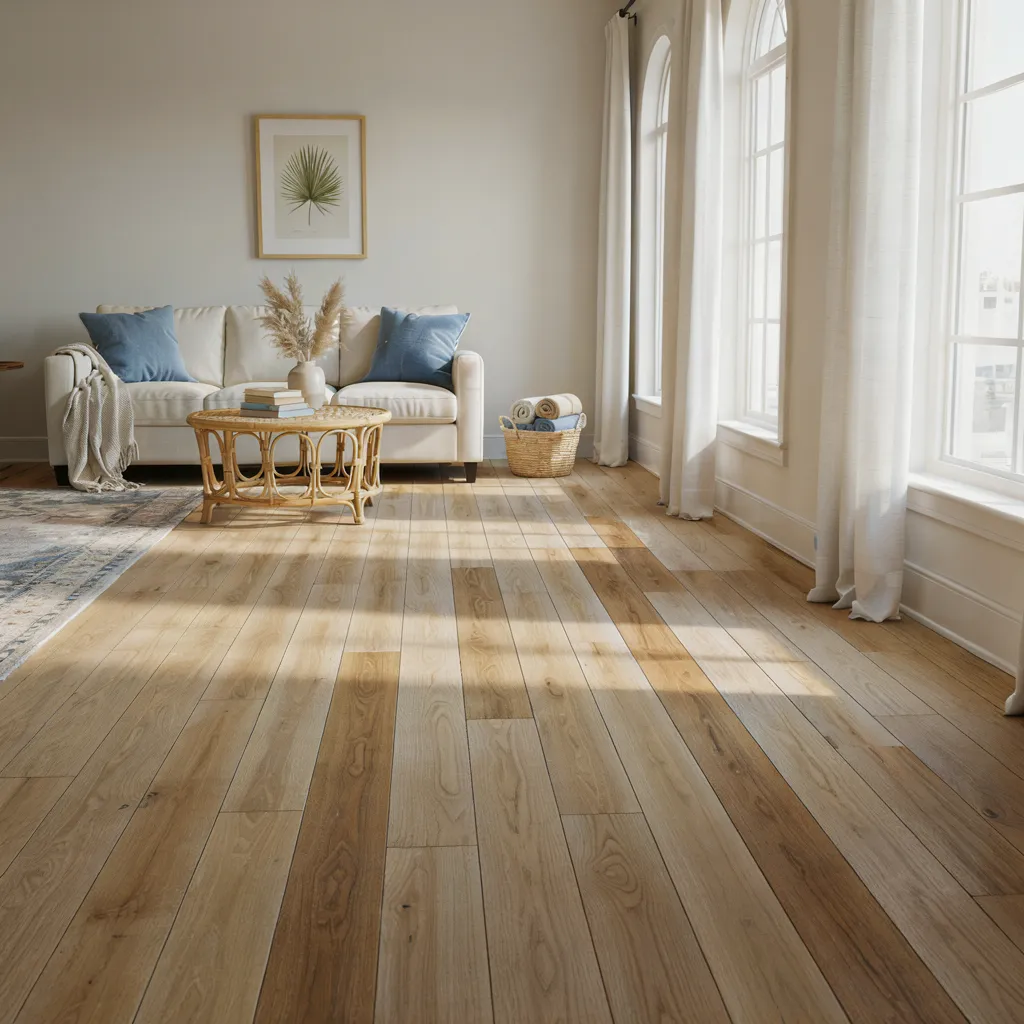
Partial or complete replacement may be necessary when:
- Boards are severely buckled or broken
- Engineered flooring has delaminated
- The subfloor has significant deterioration
- Water remained beneath the floor for an extended period
- Large areas are structurally unstable
- The floor has been sanded too many times
- Matching material is unavailable
- Contaminated water affected the flooring
- Unsafe microbial growth or other environmental hazards are present
If water came from sewage, storm flooding or another potentially contaminated source, flooring decisions should be coordinated with qualified remediation professionals. Health and safety take priority over saving the material.
Does Homeowners Insurance Cover Water-Damaged Hardwood Floors?
Insurance coverage depends on the policy and the cause of the damage.
A policy may treat sudden water damage from a burst pipe differently from long-term leakage, neglected maintenance, groundwater or storm flooding. Flood damage is generally handled differently from damage covered by a standard homeowners policy.
Homeowners should:
- Photograph the damage
- Keep relevant receipts and records
- Document the apparent water source
- Contact the insurance company promptly
- Ask before discarding damaged materials
- Request clarification about mitigation and repair requirements
Troendle Hardwood cannot determine whether an insurance policy covers a loss. Coverage questions should be directed to the homeowner’s insurance company or agent.
How Does a Flooring Professional Evaluate Water Damage?
A professional evaluation may consider:
- Whether the floor is solid or engineered wood
- The source and extent of the moisture
- Visible cupping, crowning, staining or buckling
- The stability of the boards
- The condition of the subfloor
- Previous sanding and refinishing
- The availability of matching flooring
- Whether localized repair is practical
- Whether refinishing can produce an acceptable result
The goal is not simply to make the floor look better temporarily. The repair should address the damaged material and avoid trapping or concealing an unresolved moisture problem.
Can You Prevent Future Water Damage?
Not every leak or storm can be prevented, but several habits can reduce the risk:
- Repair plumbing and appliance leaks promptly
- Inspect refrigerator, dishwasher and washing-machine connections
- Maintain roofing, windows and exterior doors
- Keep gutters and drainage systems clear
- Use breathable mats near exterior entrances
- Clean spills immediately with a dry or slightly damp cloth
- Avoid wet mops and steam mops
- Maintain consistent indoor temperature and humidity
- Watch for changes in the floor after major storms
The NWFA advises against wet mops and steam mops because water and steam can damage both the finish and the wood over time. It also recommends keeping indoor conditions reasonably consistent to reduce excessive expansion and contraction. National Wood Flooring Association
Water-Damaged Hardwood Floor Repair in Pensacola
Water damage does not always mean losing the character and value of an original hardwood floor. With the right evaluation, homeowners may be able to preserve much of the existing flooring through selected board replacement, sanding, stain matching and refinishing.
Troendle Hardwood Floor Company has served the hardwood flooring industry since 1908 and has operated in the Pensacola area since the 1980s. Its services include hardwood installation, repair, restoration, sanding, refinishing and dustless sanding for solid and engineered wood floors. About Troendle Hardwood
Before deciding that a damaged floor is beyond saving, let an experienced hardwood flooring professional examine it.
Frequently Asked Questions
How long does a wet hardwood floor take to dry?
There is no universal drying time. It depends on the amount of water, flooring construction, subfloor, indoor conditions and drying methods. A surface that feels dry may still contain moisture below it.
Should cupped hardwood floors be sanded immediately?
No. Sanding before the flooring has dried and stabilized can contribute to crowning and permanent unevenness. The source of the moisture should be corrected first.
Can black water stains be sanded out?
Some stains can be reduced or removed, while others penetrate too deeply. Severely stained boards may need to be replaced and blended with the surrounding floor.
Can only part of a hardwood floor be replaced?
Yes. Localized replacement is often possible when compatible wood is available and the remaining floor is in good condition.
Will a dehumidifier repair a damaged hardwood floor?
A dehumidifier may be one part of an appropriate drying plan, but it does not repair staining, delamination, damaged fasteners or structurally compromised boards. Significant water events should be addressed by qualified professionals.
Should I replace the floor if it still looks uneven after drying?
Not necessarily. Some floors can be repaired or refinished after they stabilize. A professional evaluation can determine whether restoration or replacement is the better option.
Request a Hardwood Floor Evaluation
Has a leak, storm or appliance damaged your hardwood floors? Troendle Hardwood Floor Company can evaluate the flooring and help determine whether repair, restoration, refinishing or replacement may be appropriate.
Call (850) 478-5328 to request a free estimate in the Pensacola area.